The 1000 most common Mandarin Chinese words
Ranked by spoken frequency · with native audio
Not all words are worth the same effort. A small core of high-frequency words accounts for most of everyday Mandarin, so learning them first buys you the most comprehension for the least time. This list ranks the top 1000 words by how often they actually appear in spoken Chinese — start at #1 and work down.
Every word shows tone-coloured pinyin and its English meaning, and you can tap the character to hear native audio — no sign-up needed. Words in the top 1,500 link to a full page with a per-syllable tone breakdown and an example sentence.
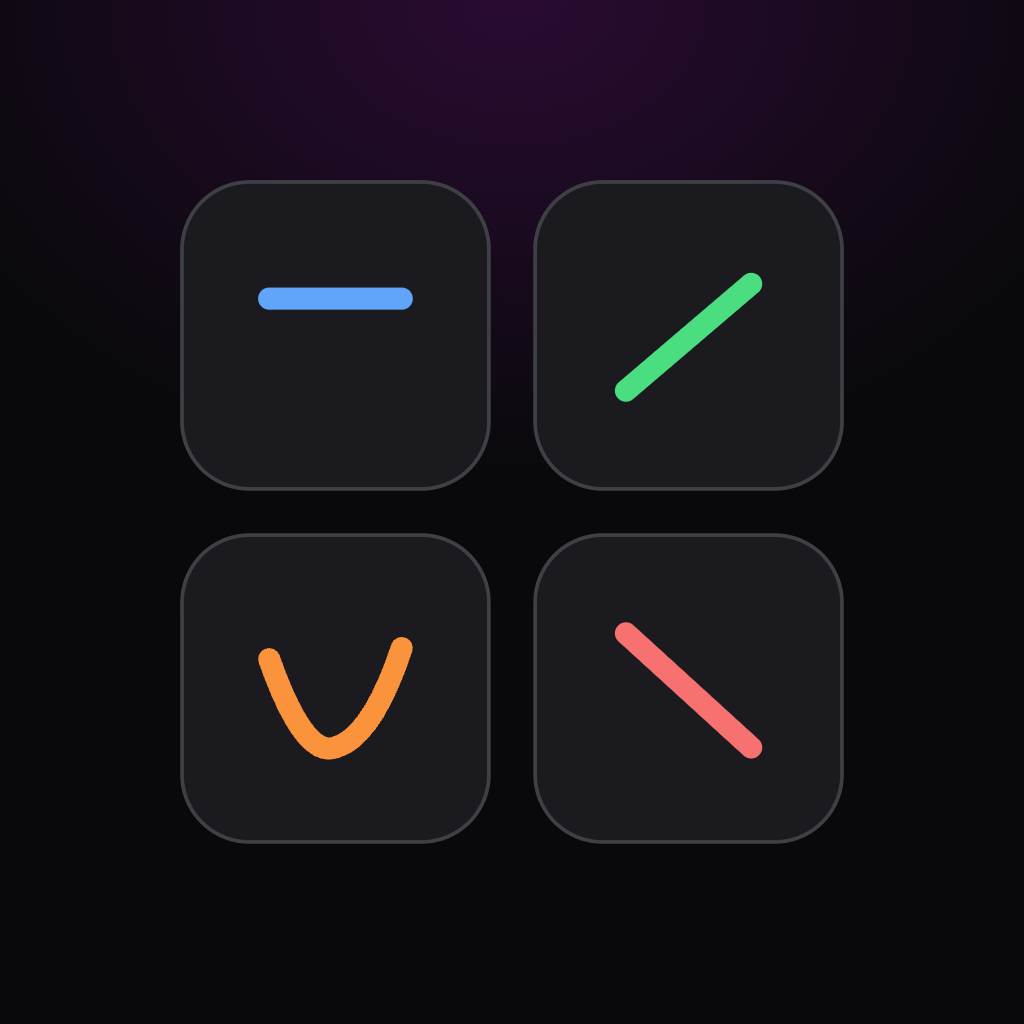
Pinyin colour key: tone 1 (high flat), tone 2 (rising), tone 3 (dipping), tone 4 (falling), neutral.
Learn the high-frequency core first
ToneDeck introduces words in real frequency order — the Lingvist principle — and plays native audio so you train the sound, not just the spelling. HSK 1 is free, no install.
Start freeWords 1–100
Words 101–250
Words 251–500
Words 501–1000
Frequently asked questions
How many words do you need to understand Mandarin?+
Word frequency in any language follows a steep curve: a small core of words covers most of everyday speech. Learning the 1000 most common Mandarin words first gives you the highest comprehension for the least effort, because these are the words you actually hear and read most often.
What are the most common words in Chinese?+
The very top of the list is dominated by function words and basic verbs — 的, 是, 不, 我, 你 and the like. This page ranks the top 1000 by real spoken frequency so you can work down from the most useful.
Should I learn Chinese words by frequency or by HSK level?+
Both help. HSK groups words by exam level, while a frequency list orders them by how often they actually come up in speech. Many learners use frequency order to decide what to drill first, then use the HSK lists to track formal progress. Every word here links to its HSK level where one applies.
How do I learn these words so they stick?+
Hearing and saying a word beats silently reading pinyin. Tap any character above to hear native audio. ToneDeck pairs this frequency list with spaced-repetition review and a pronunciation check so the words — and their tones — stay with you.
On iPhone, Android and the web
ToneDeck is on the App Store. The trainer works right now.
Download ToneDeck for iPhone or Android today. One account unlocks Pro on both the app and the web. Prefer the browser? The full tone trainer runs at tonedeck.app right now, no install, free to start.
Sign up free and start trainingKeep going
First, second, third and fourth-tone word lists with audio.
Every word, grouped by official HSK level 1–6.
The four tones (and the neutral) that every word above uses.
Hear a tone, guess it, and watch your accuracy climb.
Back to the Mandarin vocabulary hub.