How to learn Mandarin tones
Mandarin is tonal: the same syllable means completely different things depending on its tone. The classic example is ma— said four ways, it means four different words. Getting the tone wrong does not give you an accent; it gives you the wrong word. That is why training your ear matters more than memorising rules.
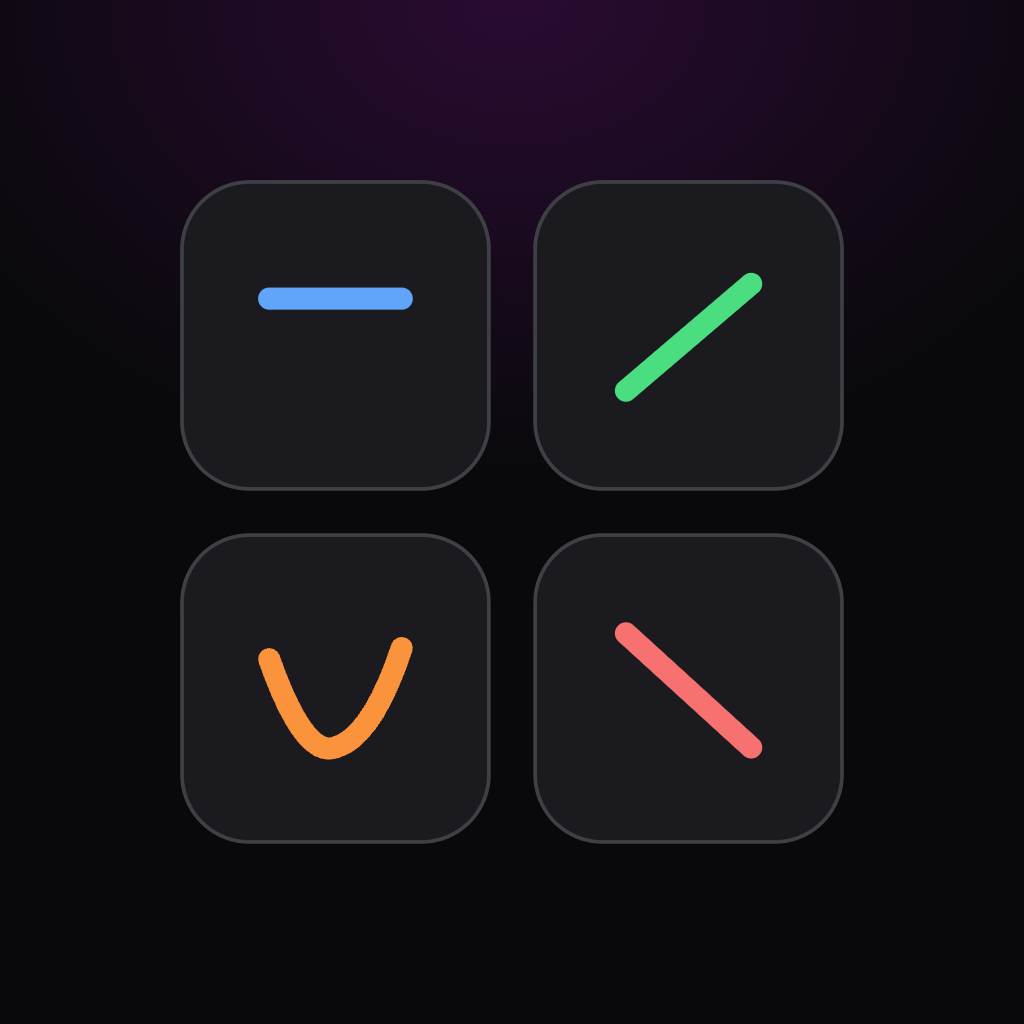
The four Mandarin tones
Each tone has its own deep-dive, or see them all together in Mandarin tones explained. Once the basics click, learn the tone sandhi rules (why nǐ hǎo is said ní hǎo) and drill tone pairs.
Why a Chinese tone trainer helps
Most apps show you tones once and move on. The problem is perception: beginners genuinely cannot hear the difference between the second and third tones yet. A tone trainer fixes that with focused listening practice instead of rote rules. Two techniques do the heavy lifting:
- Minimal-pair tone drills. Hear the same syllable in all four tones back to back (mā / má / mǎ / mà) until the contrasts become obvious.
- Ear-training quizzes. Play a syllable, guess its tone, get instant feedback. Your accuracy climbs as your ear sharpens. Try the free tone test →
- A pronunciation check. Say a word out loud and get scored, so you train production, not just recognition.
Mandarin tone drills that stick
Recognition fades without review, so ToneDeck pairs the drills with spaced repetition: words you find hard come back more often, words you know come back less. You build a tone-accurate vocabulary instead of cramming and forgetting.
Try the free tone trainer
Minimal-pair drills, an ear-training quiz, and a pronunciation check — in your browser, no install.
Start freeOn iPhone, Android and the web
ToneDeck is on the App Store. The trainer works right now.
Download ToneDeck for iPhone or Android today. One account unlocks Pro on both the app and the web. Prefer the browser? The full tone trainer runs at tonedeck.app right now, no install, free to start.
Sign up free and start trainingKeep going
All five tones, with marks and examples.
Why some tones change in real speech.
Everyday phrases with tone-coloured pinyin.
The first 127 words, with audio and tones.
More about the method on the ToneDeck home page.