HSK 4 Vocabulary List
598 new entries · 1,200 six-level cumulative target · B2
HSK 4 adds 598 new ToneDeck entries and broadens Mandarin into current events, professional situations, relationships, problem-solving and more abstract descriptions.
ToneDeck stores each unique word at the first HSK level where it appears. This page therefore shows the 598 entries introduced at HSK 4; your cumulative ToneDeck path through this level contains 1154 normalised entries. The established six-level benchmark is 1,200 cumulative words. HSK 3.0 expands the system to nine levels and remains in staged rollout. Read the current HSK 3.0 guide before booking an exam.
What HSK 4 covers
Level
Upper-intermediate
Published six-level mapping: B2
Vocabulary
1,200 words
Established cumulative target
Exam skills
Listening · Reading · Writing
Core skills assessed at this level
What you should be able to do
Discuss a fairly wide range of topics, explain reasons and opinions, read straightforward texts and sustain a real conversation with sympathetic native speakers.
Vocabulary topics
Grammar focus
- Complex 把 and 被 sentences
- Complements of degree and direction
- Multi-clause connectors
- Aspect in narratives
- Topic-comment structure
- Formal comparisons
- Condition and concession
- More precise modifiers
Tone and pronunciation focus
Sound natural at HSK 4
Shift from careful syllables to sentence rhythm. Keep lexical tones clear while copying stress, reductions and tone sandhi from full-speed speech.
A practical HSK 4 study plan
01
Build word families
Connect shared characters, near-synonyms and common collocations to reduce the memory load.
02
Summarise what you hear
Listen to a short passage, note key words, then explain the main idea aloud in Mandarin.
03
Write short arguments
Practise linking a claim, reason and example so grammar becomes usable rather than theoretical.
Study tip
Learn word families and collocations instead of isolated definitions. At this density, knowing which words naturally occur together is as important as knowing their English glosses.
Practise HSK 4 tones with audio
ToneDeck plays every word with native audio and colours pinyin by tone. Unlock HSK 2-6 with a Pro subscription.
Start freeThe 598 new HSK 4 entries
Work through earlier levels as well to reach the cumulative HSK 4target. Variant spellings and duplicate forms are consolidated, so ToneDeck's unique-entry count can differ from the official vocabulary benchmark.
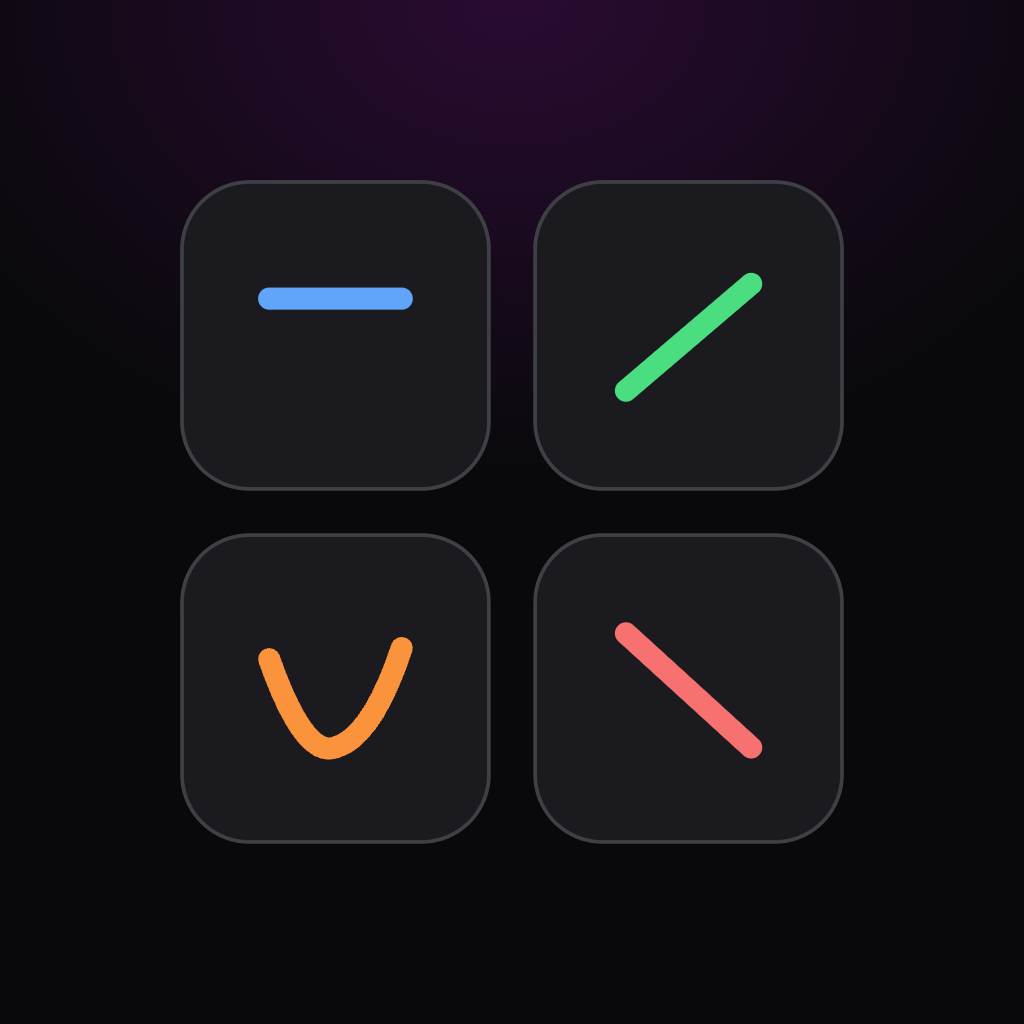
Pinyin colour key: tone 1 (high flat), tone 2 (rising), tone 3 (dipping), tone 4 (falling), neutral/mixed.
Frequently asked questions
How many words are in HSK 4?+
The established six-level HSK benchmark is 1,200 cumulative words. ToneDeck assigns 598 new normalised entries to HSK 4, which are learned on top of levels 1 to 3.
How hard is the jump from HSK 3 to HSK 4?+
It is substantial because vocabulary nearly doubles and the language becomes more abstract. A steady mix of reading, listening, sentence production and review is more effective than flashcards alone.
Can I watch Chinese television at HSK 4?+
You can follow slower, familiar material with Chinese subtitles and pausing. Drama, comedy and news at native speed still contain many words, cultural references and reductions beyond the level.
Is HSK 4 useful for work?+
It supports routine workplace communication and everyday professional topics. Roles requiring negotiation, technical reading or polished writing usually demand vocabulary beyond HSK 4.
Other HSK vocabulary lists
Ready to train your Mandarin tones?
ToneDeck combines this vocabulary with audio drills, spaced repetition, and an ear-training quiz so you learn the sounds, not just the definitions.
Start free - HSK 1 includedGet the tones right first
Vocabulary only sticks if the tones are accurate. These guides cover the tone system behind every word above.
First, second, third, fourth, neutral.
Why nǐ hǎo is said ní hǎo.
Everyday phrases with tone tips.
New to Mandarin tones? Read how to learn the four Mandarin tones or go back to the ToneDeck home page.