HSK 3 Vocabulary List

294 new entries · 600 six-level cumulative target · B1

HSK 3 adds 294 new ToneDeck entries for work, study, travel, health, feelings and social situations. This is the level where memorised phrases begin turning into flexible everyday Mandarin.

ToneDeck stores each unique word at the first HSK level where it appears. This page therefore shows the 294 entries introduced at HSK 3; your cumulative ToneDeck path through this level contains 556 normalised entries. The established six-level benchmark is 600 cumulative words. HSK 3.0 expands the system to nine levels and remains in staged rollout. Read the current HSK 3.0 guide before booking an exam.

What HSK 3 covers

Level

Intermediate

Published six-level mapping: B1

Vocabulary

600 words

Established cumulative target

Exam skills

Listening · Reading · Writing

Core skills assessed at this level

What you should be able to do

Complete basic communication tasks in life, study and work, tell short stories and cope with most predictable situations while travelling in China.

Vocabulary topics

Work and studyTravel problemsHealthFeelingsRelationshipsPlansOpinionsEveryday services

Grammar focus

  • 把 and 被 foundations
  • Directional complements
  • Result complements
  • Duration and frequency
  • 越来越 and comparisons
  • Sequencing events
  • Because, although and therefore
  • More precise question patterns

Tone and pronunciation focus

Sound natural at HSK 3

Practise longer chunks without flattening their tones. Pay attention to half-third tones, neutral-tone syllables and the rhythm of three-to-five-syllable phrases.

A practical HSK 3 study plan

01

Study by situation

Group vocabulary into travel, work, health and social scenarios so every word has a retrieval cue.

02

Retell short events

Use sequencing words and aspect markers to describe what happened yesterday or what will happen next.

03

Add native-speed listening

Keep clear learner audio for accuracy, then add short clips at natural speed for resilience.

Study tip

Use complete example sentences. HSK 3 introduces enough abstract vocabulary and grammar that meaning, word order and tone are easier to remember together than on separate flashcards.

Practise HSK 3 tones with audio

ToneDeck plays every word with native audio and colours pinyin by tone. Unlock HSK 2-6 with a Pro subscription.

Start free

The 294 new HSK 3 entries

Work through earlier levels as well to reach the cumulative HSK 3target. Variant spellings and duplicate forms are consolidated, so ToneDeck's unique-entry count can differ from the official vocabulary benchmark.

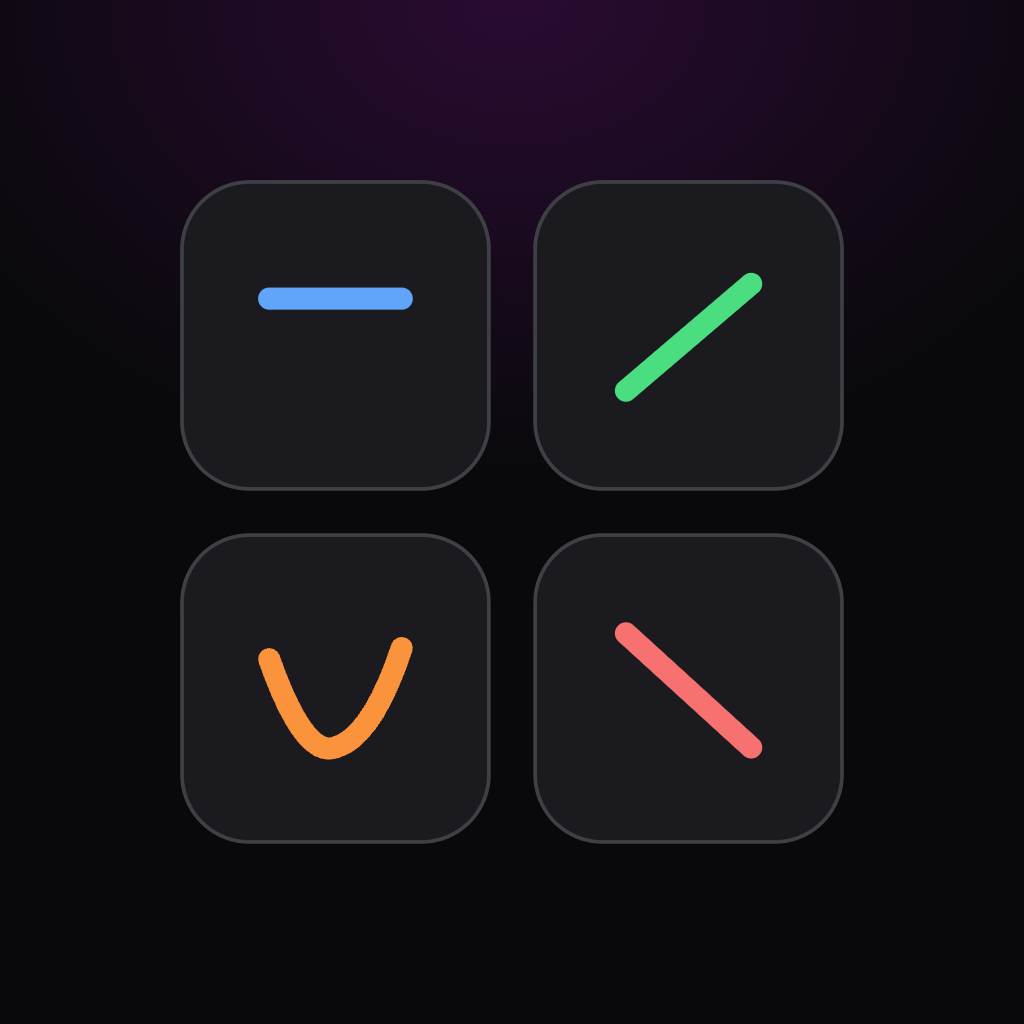
Pinyin colour key: tone 1 (high flat), tone 2 (rising), tone 3 (dipping), tone 4 (falling), neutral/mixed.

zhǐ
Only
object marker
a
Ah
世界
shìjiè
World
xiàng
to resemble; like
yòng
Use
需要
xūyào
Need
yòu
again; also
zhǒng
kind; type; seed
jiāo
to teach
地方
dìfang
Place
自己
zìjǐ
Oneself
一定
yídìng
Certainly
然后
ránhòu
Then
相信
xiāngxìn
Believe
fàng
Put
一直
yìzhí
always; continuously
gèng
More
nán
Difficult
wàn
Ten thousand
fēn
Minute
而且
érqiě
And
xiān
First
除了
chúle
in addition to
chà
bad; poor; lacking
努力
nǔlì
Strive
城市
chéngshì
City
最近
zuìjìn
Recently
huài
Bad
以前
yǐqián
before; formerly
或者
huòzhě
Or
tiáo
Long thin item (classifier)
jiē
to receive; to pick up; to connect
dōng
East
de
-ly (adverb particle)
Horse
cái
Only
dài
to bring; to take; to carry
其他
qítā
Other
Extremely
了解
liǎojiě
Understand
故事
gùshi
Story
kǒu
Mouth
huà
Painting
以后
yǐhòu
After
huā
Flower
zhàn
Station
huàn
Change
gǎn
Dare
bàn
Half
jiǎng
Speak
害怕
hàipà
Be afraid
清楚
qīngchu
Clear
使
shǐ
Make
lóu
Floor
bāo
Package
Take
明白
míngbai
Understand
lǎo
Old
Meter
打算
dǎsuàn
Plan
yuè
More
liǎn
Face
bān
Class
注意
zhùyì
to pay attention
jiǎo
Foot
要求
yāoqiú
to request; to require
完成
wánchéng
Complete
照片
zhàopiàn
Photo
奇怪
qíguài
Strange
如果
rúguǒ
If
gēn
With
bèi
passive marker
西
Western
阿姨
ā yí
maternal aunt
ǎi
short (in height)
爱好
ài hào
hobby; interest; to be fond of
安静
ān jìng
quiet
bān
to move
办法
bàn fǎ
means
办公室
bàn gōng shì
office
帮忙
bāng máng
to help
bǎo
to eat till full
北方
běi fāng
north
鼻子
bí zi
nose
比较
bǐ jiào
to compare
比赛
bǐ sài
competition
必须
bì xū
to have to
变化
biàn huà
to change; to vary
表示
biǎo shì
to express
表演
biǎo yǎn
to perform; performance
别人
bié ren
other people; others; other person
宾馆
bīn guǎn
guesthouse
冰箱
bīng xiāng
refrigerator
菜单
cài dān
menu
参加
cān jiā
to participate
cǎo
grass
céng
layer; floor; classifier for layers
衬衫
chèn shān
shirt
成绩
chéng jì
grade; result; achievement
迟到
chí dào
to arrive late
出现
chū xiàn
to appear
厨房
chú fáng
kitchen
chūn
spring
词语
cí yǔ
word
聪明
cōng ming
intelligent
打扫
dǎ sǎo
to clean
担心
dān xīn
anxious
蛋糕
dàn gāo
cake
当然
dāng rán
only natural
地图
dì tú
map
dēng
lamp
low
电梯
diàn tī
elevator
电子
diàn zǐ
electronic
dōng
winter
动物
dòng wù
animal
duǎn
short
duàn
section; paragraph
锻炼
duàn liàn
to exercise; to train
多么
duō me
how
饿
è
to be hungry
耳朵
ěr duo
ear
发烧
fā shāo
to have a high temperature
发现
fā xiàn
to notice; to become aware of
方便
fāng biàn
convenient
放心
fàng xīn
to feel relieved
附近
fù jìn
nearby; neighboring
复习
fù xí
to review
感冒
gǎn mào
to catch cold
干净
gān jìng
clean
刚才
gāng cái
just now
根据
gēn jù
according to
公园
gōng yuán
park
guā
to scrape
关系
guān xi
relation
关心
guān xīn
to be concerned about
关于
guān yú
pertaining to
国家
guó jiā
country; nation; state
果汁
guǒ zhī
fruit juice
过去
guò qù
past
还是
hái shi
still
river
黑板
hēi bǎn
blackboard
护照
hù zhào
passport
花园
huā yuán
garden
环境
huán jìng
environment
huáng
yellow
会议
huì yì
meeting
机会
jī huì
opportunity
几乎
jī hū
almost; nearly; practically
记得
jì de
to remember
季节
jì jié
season
检查
jiǎn chá
inspection
简单
jiǎn dān
simple
见面
jiàn miàn
to meet; to see each other
健康
jiàn kāng
health
jiǎo
corner; angle
街道
jiē dào
street
节目
jié mù
program
节日
jié rì
holiday
结婚
jié hūn
to marry
结束
jié shù
to end; to finish
解决
jiě jué
to solve; to resolve; to settle
jiè
to borrow; to lend
经常
jīng cháng
frequently; constantly; regularly; often
经过
jīng guò
to pass
经理
jīng lǐ
manager
jiǔ
a long time; long
jiù
old
举行
jǔ xíng
to hold
句子
jù zi
sentence
决定
jué dìng
to decide
可爱
kě ài
adorable
thirsty
quarter
客人
kè rén
visitor
空调
kōng tiáo
air conditioning
to cry; to weep
裤子
kù zi
trousers; pants
筷子
kuài zi
chopsticks
lán
blue
离开
lí kāi
to depart; to leave
礼物
lǐ wù
gift; present
历史
lì shǐ
history
练习
liàn xí
to practice
liàng
classifier for vehicles
邻居
lín jū
neighbor
绿
green
马上
mǎ shàng
at once
满意
mǎn yì
satisfied
帽子
mào zi
hat
面包
miàn bāo
bread
奶奶
nǎi nai
grandma (paternal grandmother)
nán
south
难过
nán guò
to feel sad
年级
nián jí
grade
年轻
nián qīng
young
niǎo
bird
爬山
pá shān
to climb a mountain
盘子
pán zi
plate; dish
pàng
fat
啤酒
pí jiǔ
beer
葡萄
pú tao
grape
普通话
pǔ tōng huà
Mandarin
其实
qí shí
actually; in fact; really
to ride
铅笔
qiān bǐ
pencil
qiū
autumn; fall
裙子
qún zi
skirt
热情
rè qíng
cordial
认为
rèn wéi
to believe; to think; to consider; to feel
认真
rèn zhēn
conscientious
容易
róng yì
easy; straightforward
sǎn
umbrella
上网
shàng wǎng
to go online
生气
shēng qì
to get angry
声音
shēng yīn
voice
shòu
thin
叔叔
shū shu
father's younger brother
舒服
shū fu
comfortable
shù
tree
数学
shù xué
mathematics
shuā
to brush
shuāng
pair; double
水平
shuǐ píng
level
司机
sī jī
chauffeur; driver
虽然
suī rán
although; even though
太阳
tài yang
sun
táng
sugar
特别
tè bié
unusual; special
téng
hurts; sore
提高
tí gāo
to raise
体育
tǐ yù
sports
tián
sweet
同事
tóng shì
colleague; co-worker
同意
tóng yì
to agree
头发
tóu fa
hair
突然
tū rán
sudden; abrupt; unexpected
图书馆
tú shū guǎn
library
tuǐ
leg
wǎn
bowl
忘记
wàng jì
to forget
为了
wèi le
for; for the purpose of; in order to
为什么
wèi shén me
why?
wèi
polite classifier for people; position
文化
wén huà
culture
习惯
xí guàn
habit
洗手间
xǐ shǒu jiān
toilet
洗澡
xǐ zǎo
to bathe
xià
summer
相同
xiāng tóng
identical
香蕉
xiāng jiāo
banana
小心
xiǎo xīn
to be careful
校长
xiào zhǎng
school principal
xié
shoe
新闻
xīn wén
news
新鲜
xīn xiān
fresh
xìn
letter
行李箱
xíng li xiāng
suitcase
兴趣
xìng qù
interest
熊猫
xióng māo
panda
选择
xuǎn zé
to select
眼镜
yǎn jìng
spectacles
爷爷
yé ye
father's father
一般
yī bān
ordinary; general; generally
一边
yī biān
one side
一共
yī gòng
altogether
一会儿
yī huì r
a moment
一样
yī yàng
same
以为
yǐ wéi
to mistakenly believe
音乐
yīn yuè
music
银行
yín háng
bank
应该
yīng gāi
ought to
影响
yǐng xiǎng
influence
游戏
yóu xì
game
有名
yǒu míng
famous
遇到
yù dào
to meet; to run into; to come across
愿意
yuàn yì
to be willing
月亮
yuè liang
the moon
yún
cloud
照顾
zhào gu
to take care of
照相机
zhào xiàng jī
camera
着急
zháo jí
to worry; to feel anxious
中间
zhōng jiān
the middle; the inside
终于
zhōng yú
at last
重要
zhòng yào
important
周末
zhōu mò
weekend
主要
zhǔ yào
main
zhù
to wish
字典
zì diǎn
Chinese character dictionary
总是
zǒng shì
always
作业
zuò yè
school assignment
作用
zuò yòng
function; effect

Frequently asked questions

How many words are in HSK 3?+

The established six-level HSK benchmark is 600 cumulative words. ToneDeck's HSK 3 deck contains 294 new normalised entries, bringing the learner through the intermediate foundation when combined with HSK 1 and 2.

Is HSK 3 conversational?+

HSK 3 supports short, practical conversations on familiar subjects. It is a useful travel level, but fast group conversation and unfamiliar topics still require more vocabulary and listening time.

What changes in the HSK 3 exam?+

Writing is added alongside listening and reading, so learners need to recognise word order and produce characters or sentences rather than relying only on multiple-choice recognition.

What should I practise most at HSK 3?+

Sentence-level listening, word order and active recall. This is also the point to stop pronouncing every syllable with equal stress and start copying natural Mandarin rhythm.

Other HSK vocabulary lists

Ready to train your Mandarin tones?

ToneDeck combines this vocabulary with audio drills, spaced repetition, and an ear-training quiz so you learn the sounds, not just the definitions.

Start free - HSK 1 included

Get the tones right first

Vocabulary only sticks if the tones are accurate. These guides cover the tone system behind every word above.

New to Mandarin tones? Read how to learn the four Mandarin tones or go back to the ToneDeck home page.