HSK 1 Vocabulary List
127 new entries · 150 six-level cumulative target · A1
HSK 1 is the starting point for practical Mandarin. ToneDeck assigns 127 normalised, high-frequency entries to this level, covering greetings, numbers, family, food and the language of simple everyday needs.
ToneDeck stores each unique word at the first HSK level where it appears. This page therefore shows the 127 entries introduced at HSK 1; your cumulative ToneDeck path through this level contains 127 normalised entries. The established six-level benchmark is 150 cumulative words. HSK 3.0 expands the system to nine levels and remains in staged rollout. Read the current HSK 3.0 guide before booking an exam.
What HSK 1 covers
Level
Beginner
Published six-level mapping: A1
Vocabulary
150 words
Established cumulative target
Exam skills
Listening · Reading
Core skills assessed at this level
What you should be able to do
Understand and use very simple phrases, introduce yourself, ask basic questions and meet immediate communication needs when the other person speaks clearly.
Vocabulary topics
Grammar focus
- Basic subject-verb-object order
- 是 for identity
- 有 for possession
- 在 for location
- 的 for possession
- 吗 and question words
- 不 and 没 for negation
- Common measure words
Tone and pronunciation focus
Sound natural at HSK 1
Build a clean four-tone foundation. Practise first, second, third and fourth tones in isolation, then learn the neutral tone and the third-tone change in 你好 (nǐ hǎo, pronounced ní hǎo).
A practical HSK 1 study plan
01
Hear the contrast
Compare the same syllable across all four tones until each contour is easy to identify.
02
Build tiny sentences
Turn each new word into a useful two-to-five-word phrase instead of memorising an isolated translation.
03
Review every day
Use short spaced-repetition sessions and say each answer aloud before revealing it.
Study tip
Learn every word as a sound, not just a spelling. Hear it, repeat it with the correct tone, then recall it inside a short sentence before moving on.
Practise HSK 1 tones with audio
ToneDeck plays every word with native audio and colours pinyin by tone. HSK 1 is free - no account needed.
Start freeThe 127 new HSK 1 entries
Work through earlier levels as well to reach the cumulative HSK 1target. Variant spellings and duplicate forms are consolidated, so ToneDeck's unique-entry count can differ from the official vocabulary benchmark.
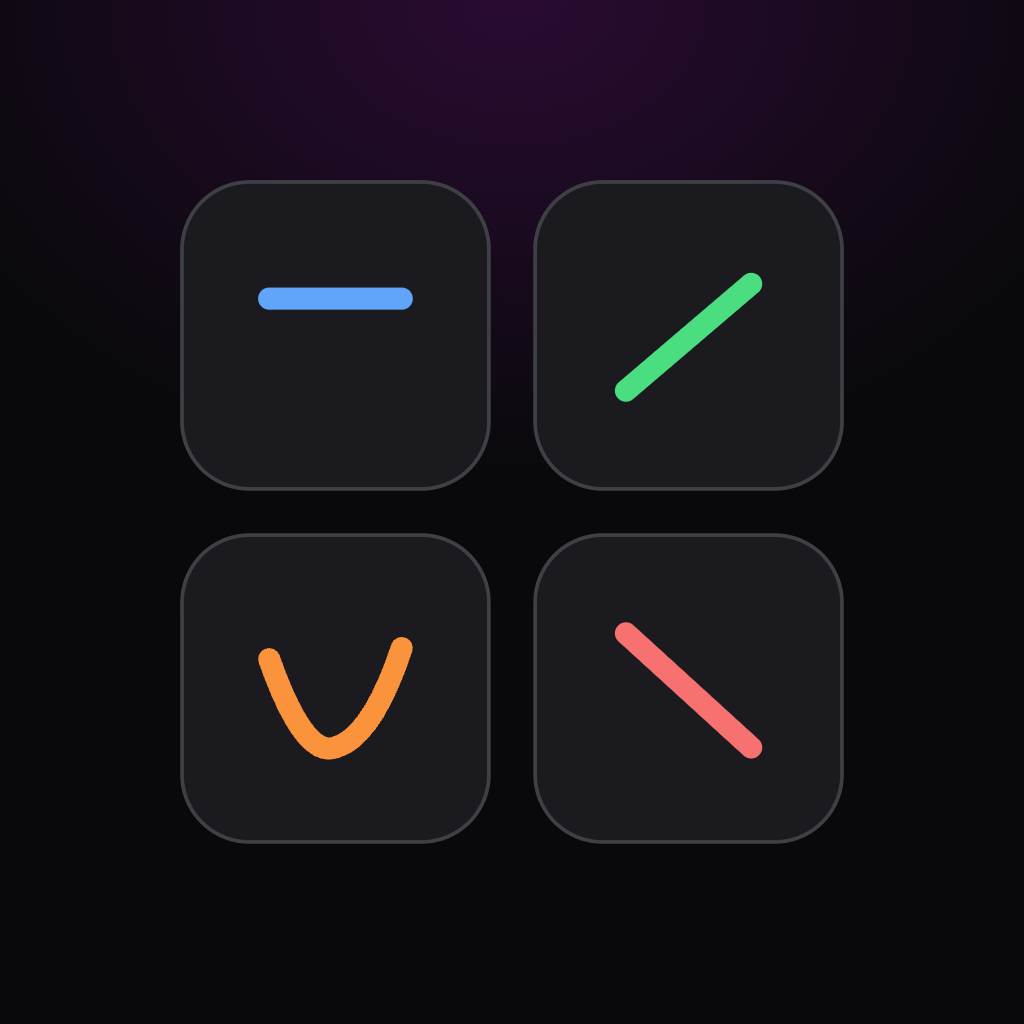
Pinyin colour key: tone 1 (high flat), tone 2 (rising), tone 3 (dipping), tone 4 (falling), neutral/mixed.
Frequently asked questions
How many words are in HSK 1?+
The established six-level HSK benchmark is 150 cumulative words. ToneDeck's normalised deck contains 127 unique entries assigned to HSK 1 after duplicate and variant forms are consolidated.
How long does it take to learn HSK 1?+
Many beginners can cover the material in four to eight weeks with 15 to 20 minutes of focused daily practice. Reliable listening and pronunciation matter more than racing through the list.
Do I need to write Chinese characters for HSK 1?+
The HSK 1 written test focuses on listening and reading. Character recognition is useful, but beginners can prioritise pinyin, tones and meaning before handwriting.
Is HSK 1 enough for a conversation?+
It is enough for greetings, prices, simple requests and rehearsed exchanges. Flexible conversation develops as you add HSK 2 and HSK 3 vocabulary and grammar.
Other HSK vocabulary lists
Ready to train your Mandarin tones?
ToneDeck combines this vocabulary with audio drills, spaced repetition, and an ear-training quiz so you learn the sounds, not just the definitions.
Start free - HSK 1 includedGet the tones right first
Vocabulary only sticks if the tones are accurate. These guides cover the tone system behind every word above.
First, second, third, fourth, neutral.
Why nǐ hǎo is said ní hǎo.
Everyday phrases with tone tips.
New to Mandarin tones? Read how to learn the four Mandarin tones or go back to the ToneDeck home page.