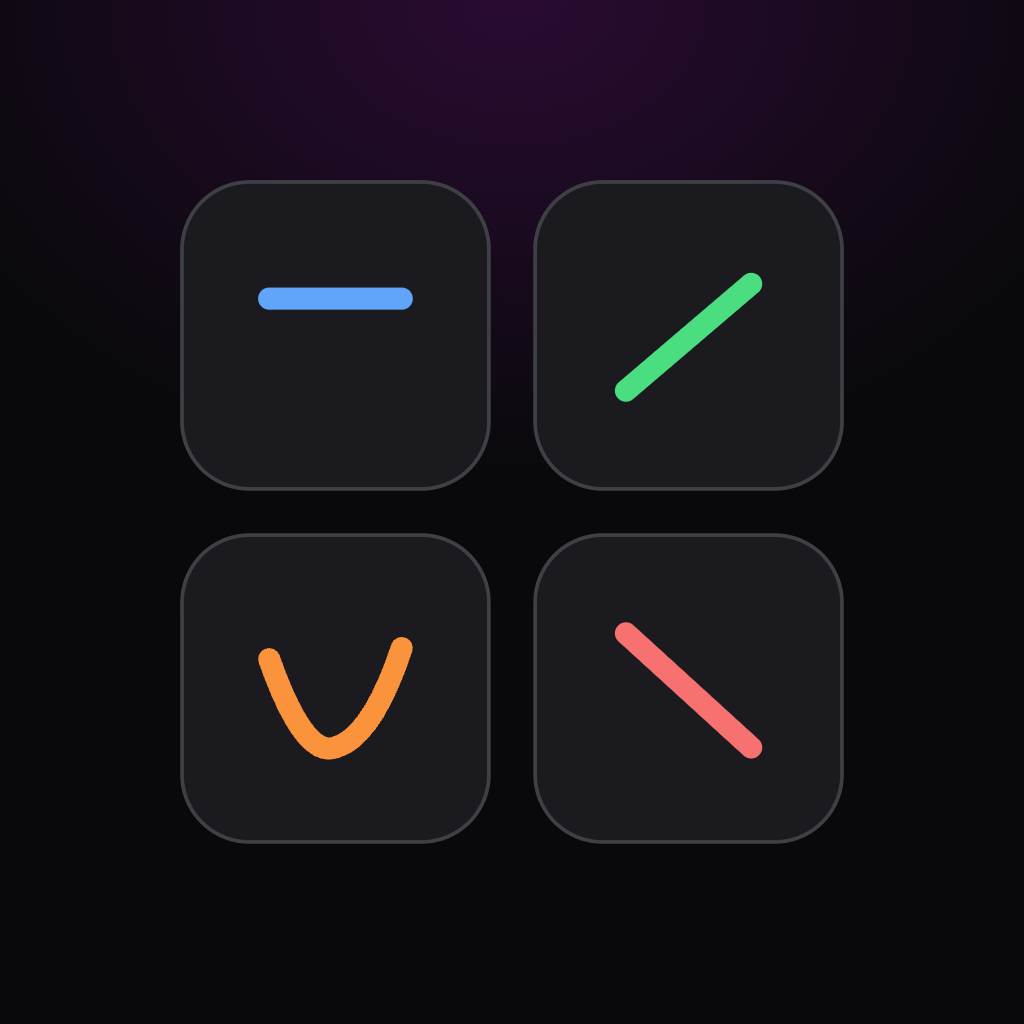
The second tone in Mandarin Chinese
Tone 2 · Rising · 阳平 yángpíng
How the second tone sounds
The second tone rises from the middle of your range up towards the top, the way your voice climbs at the end of a question in English. Think of an incredulous 'Me?'. The key is a clear, continuous climb - it should clearly end higher than it started.
A way to feel it
The rising pitch of a surprised 'Huh?' or the way English speakers say 'What?' when they did not catch something.
Drill the second tone with audio
Hearing beats reading. ToneDeck plays the tone, you guess it, and your accuracy climbs as your ear sharpens. HSK 1 is free.
Start freeCommon mistakes
- ×Not rising far enough, so it sounds flat like a first tone.
- ×Starting too high, leaving no room to rise.
- ×Confusing it with the third tone. The second tone only rises; the third dips first.
Second tone example words
Pinyin is coloured by tone (this tone is rising).
Frequently asked questions
What does the second tone sound like in Mandarin?+
The second tone rises from the middle of your range up towards the top, the way your voice climbs at the end of a question in English. Think of an incredulous 'Me?'. The key is a clear, continuous climb - it should clearly end higher than it started.
What is an example of the second tone?+
The second tone on "ma" is má (麻), meaning "hemp / numb". Other common second-tone words include rén (人, person), chá (茶, tea), lái (来, to come).
What is the most common mistake with the second tone?+
Not rising far enough, so it sounds flat like a first tone.
Which number is the second tone?+
It is tone 2 of the four Mandarin tones. On "ma" it is written má in pinyin, and described as "rising", pitch 35 (mid rising).
On iPhone, Android and the web
ToneDeck is on the App Store. The trainer works right now.
Download ToneDeck for iPhone or Android today. One account unlocks Pro on both the app and the web. Prefer the browser? The full tone trainer runs at tonedeck.app right now, no install, free to start.
Sign up free and start trainingThe other tones
See all five together in Mandarin tones explained, or read how to learn the tones.