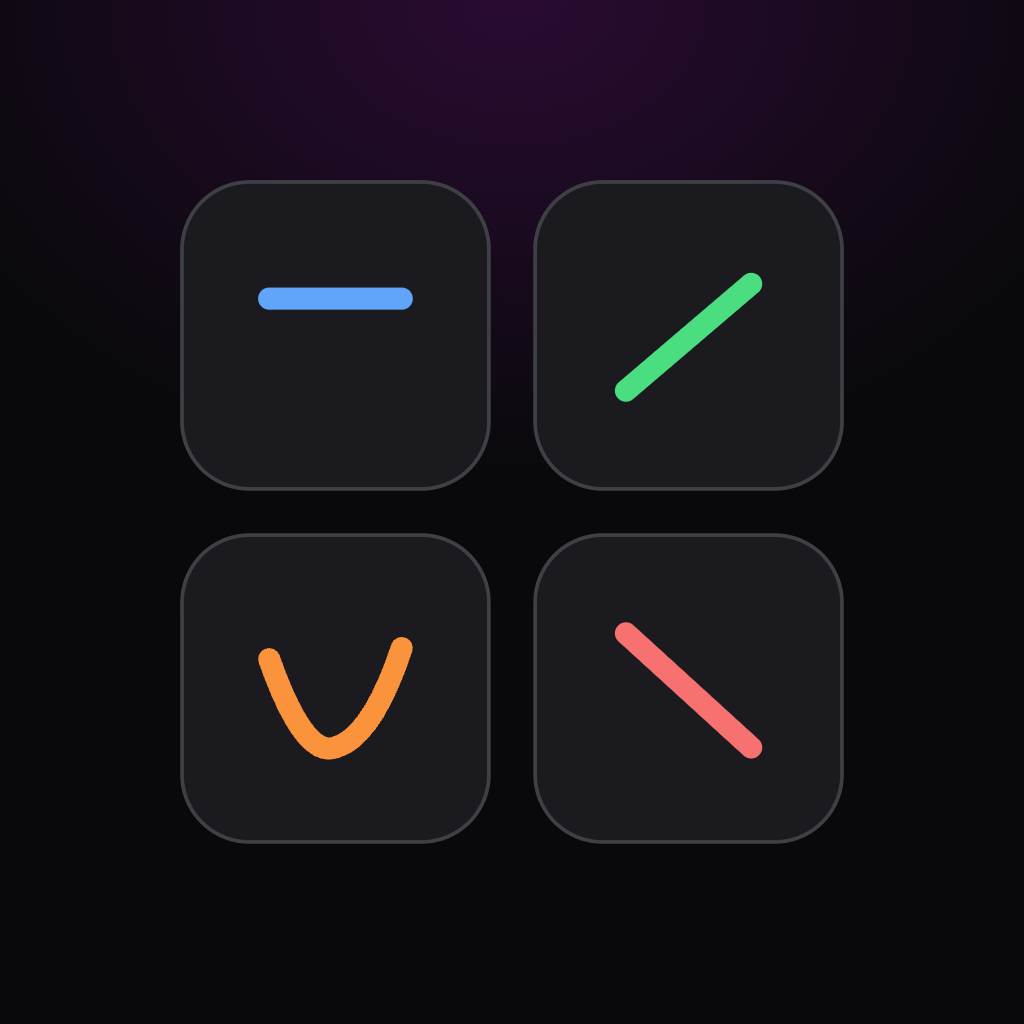
The first tone in Mandarin Chinese
Tone 1 · High and flat · 阴平 yīnpíng
How the first tone sounds
The first tone sits high in your voice and stays there. The trick is to keep it flat the whole way through - no dip at the start, no fall at the end. Pitch it near the top of your comfortable speaking range and hold it, like humming one steady musical note.
A way to feel it
Like holding a single steady note when you sing, or the flat 'aah' a doctor asks for. It does not rise or fall.
Drill the first tone with audio
Hearing beats reading. ToneDeck plays the tone, you guess it, and your accuracy climbs as your ear sharpens. HSK 1 is free.
Start freeCommon mistakes
- ×Letting the pitch sag at the end so it sounds like a fourth tone.
- ×Starting too low. The first tone should be noticeably high from the very first instant.
- ×Adding a little rise, which turns mā (mother) into má (hemp).
First tone example words
Pinyin is coloured by tone (this tone is high and flat).
Frequently asked questions
What does the first tone sound like in Mandarin?+
The first tone sits high in your voice and stays there. The trick is to keep it flat the whole way through - no dip at the start, no fall at the end. Pitch it near the top of your comfortable speaking range and hold it, like humming one steady musical note.
What is an example of the first tone?+
The first tone on "ma" is mā (妈), meaning "mother". Other common first-tone words include māma (妈妈, mum), tiān (天, sky / day), hē (喝, to drink).
What is the most common mistake with the first tone?+
Letting the pitch sag at the end so it sounds like a fourth tone.
Which number is the first tone?+
It is tone 1 of the four Mandarin tones. On "ma" it is written mā in pinyin, and described as "high and flat", pitch 55 (high level).
On iPhone, Android and the web
ToneDeck is on the App Store. The trainer works right now.
Download ToneDeck for iPhone or Android today. One account unlocks Pro on both the app and the web. Prefer the browser? The full tone trainer runs at tonedeck.app right now, no install, free to start.
Sign up free and start trainingThe other tones
See all five together in Mandarin tones explained, or read how to learn the tones.