How to say “of course” in Chinese
🔊 Tap to hear it
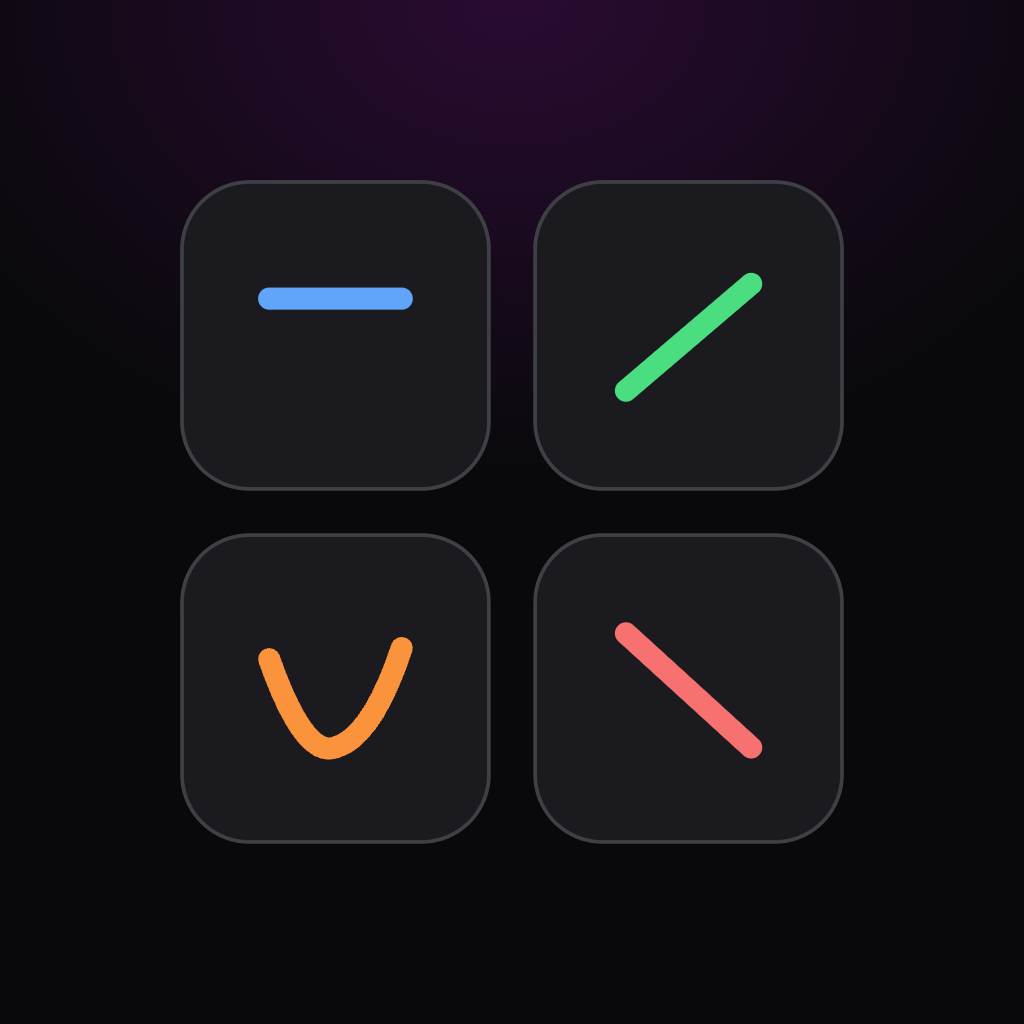
Pinyin colour key: tone 1 (high flat), tone 2 (rising), tone 3 (dipping), tone 4 (falling), neutral.
Word by word
Tone tip
High flat 当, then a rising 然. Note 当 is dāng (first tone) here; the same character read dàng means 'to treat as'. 当然可以 (dāngrán kěyǐ) is 'of course you can'.
In a sentence
“Nǐ huì lái ma?” “Dāngrán!”
“Will you come?” “Of course!”
Hear it and say it right
Reading pinyin only gets you halfway. ToneDeck plays native audio and scores your pronunciation so your tones land. HSK 1 is free, no install.
Start freeFrequently asked questions
How do you say "of course" in Chinese?+
"of course" in Mandarin Chinese is 当然, pronounced dāngrán. High flat 当, then a rising 然. Note 当 is dāng (first tone) here; the same character read dàng means 'to treat as'. 当然可以 (dāngrán kěyǐ) is 'of course you can'.
What does 当然 mean literally?+
当然 breaks down as 当 (dāng) = ought / should, 然 (rán) = so / thus. Together it means "of course".
How do I get the tones right in dāngrán?+
High flat 当, then a rising 然. Note 当 is dāng (first tone) here; the same character read dàng means 'to treat as'. 当然可以 (dāngrán kěyǐ) is 'of course you can'.
More phrases like this
Master the tones behind it
What each tone sounds like and why it matters.
Why some tones change in connected speech.
On iPhone, Android and the web
ToneDeck is on the App Store. The trainer works right now.
Download ToneDeck for iPhone or Android today. One account unlocks Pro on both the app and the web. Prefer the browser? The full tone trainer runs at tonedeck.app right now, no install, free to start.
Sign up free and start trainingSee all the phrases on the how to say things in Chinese index, or read how to learn Mandarin tones.