缺乏 (quē fá) — to lack; to be short of in Mandarin
🔊 Tap to hear it
#1073 most common word · HSK 5 · CEFR C1
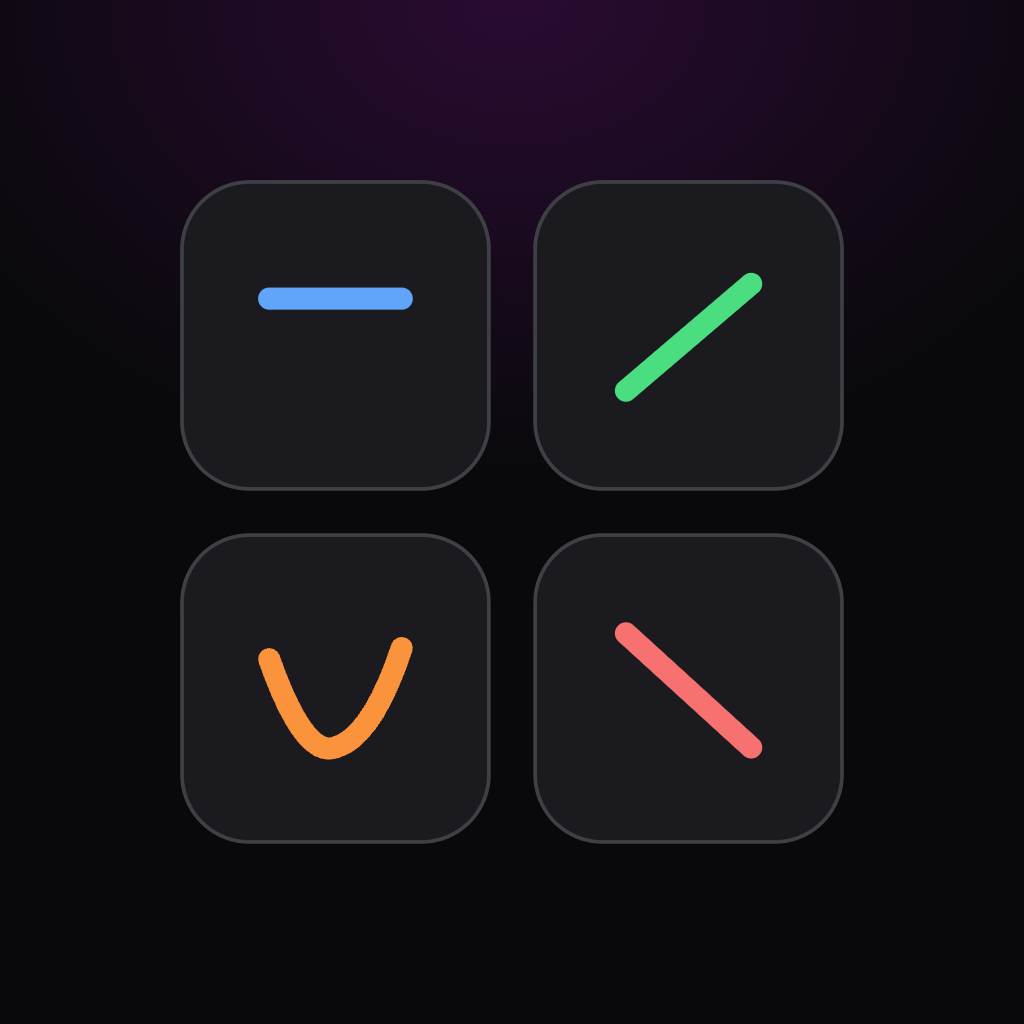
Pinyin colour key: tone 1 (high flat), tone 2 (rising), tone 3 (dipping), tone 4 (falling), neutral.
Tone breakdown
缺乏 is pronounced quē fá. Tap any syllable’s row to hear the whole word.
In a sentence
Zhège dìqū quēfá qīngjié de shuǐ.
This area lacks clean water.
Hear it, then say it right
Reading pinyin only gets you halfway. ToneDeck plays native audio for 缺乏 and thousands more words, then scores your pronunciation so your tones land. HSK 1 is free, no install.
Start freeFrequently asked questions
What does 缺乏 mean?+
缺乏 (quē fá) means "to lack; to be short of" in Mandarin Chinese.
How do you pronounce 缺乏?+
缺乏 is pronounced quē fá. It uses the tone 1 (high flat), then the tone 2 (rising). Tap the character on this page to hear native audio.
How common is 缺乏 in Mandarin?+
缺乏 is the #1073 most frequent word in spoken Mandarin, so it is one of the first words worth learning.
Where 缺乏 fits
Every HSK 5 word with tone-coloured pinyin and audio.
Words at a similar frequency
Master the tones first
What each tone sounds like and why it matters.
Why some tones change in connected speech.
On iPhone, Android and the web
ToneDeck is on the App Store. The trainer works right now.
Download ToneDeck for iPhone or Android today. One account unlocks Pro on both the app and the web. Prefer the browser? The full tone trainer runs at tonedeck.app right now, no install, free to start.
Sign up free and start trainingBrowse more on the Mandarin vocabulary hub, or read how to learn Mandarin tones.