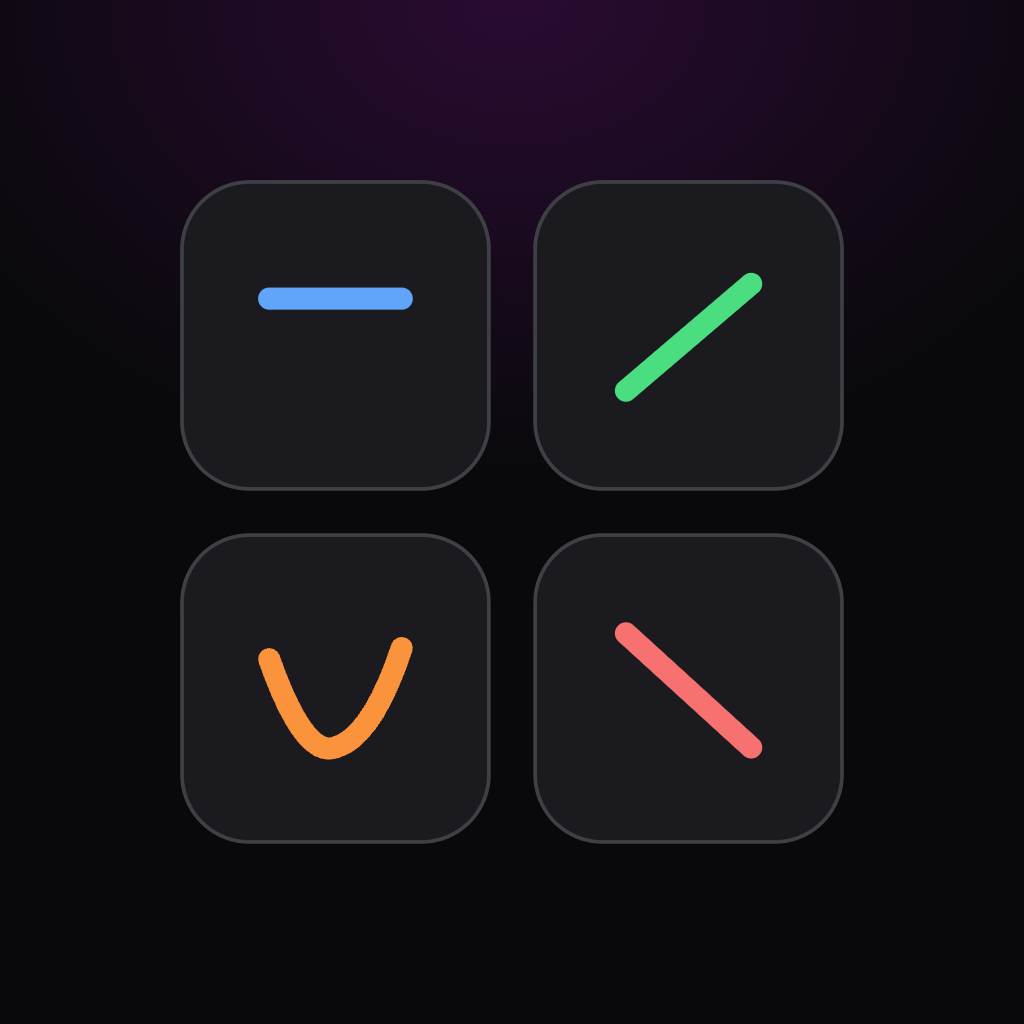
The neutral tone in Mandarin Chinese
The light fifth tone · 轻声 qīngshēng · Light, short, unstressed
Beyond the four main tones, Mandarin has a neutral tone (轻声 qīngshēng). It is the quiet exception to the rules: a syllable said so lightly and quickly that it carries no contour of its own.
How the neutral tone sounds
The neutral tone (轻声, qīngshēng) has no contour of its own. It is light, short, and unstressed, and its actual pitch depends on the tone of the syllable before it. After a first tone it lands mid; after a fourth tone it drops low. You do not aim for a shape - you just say it quickly and quietly, letting the previous syllable do the work. In pinyin the neutral tone is written with NO tone mark.
A way to feel it
The throwaway second syllable of 'sofa' or 'comma' in English - quick, soft, and you barely think about its pitch.
Hear the neutral tone in real words
The neutral tone is easiest to grasp by ear. ToneDeck plays whole words with native audio so you hear how the light syllable lands. HSK 1 is free.
Start freeCommon mistakes
- ×Giving the neutral syllable a full tone of its own - it should be light and short.
- ×Stressing it. The neutral tone is always unstressed relative to the syllable before it.
- ×Forgetting that some words change meaning by tone: 东西 dōngxi (with a neutral 西) means 'thing', but dōngxī (full first tones) means 'east and west'.
Neutral tone example words
The neutral syllable is shown in grey; the syllable before it keeps its full tone.
Frequently asked questions
What is the neutral tone in Mandarin?+
The neutral tone (轻声, qīngshēng) has no contour of its own. It is light, short, and unstressed, and its actual pitch depends on the tone of the syllable before it. After a first tone it lands mid; after a fourth tone it drops low. You do not aim for a shape - you just say it quickly and quietly, letting the previous syllable do the work. In pinyin the neutral tone is written with NO tone mark.
Why does the neutral tone have no tone mark?+
Because it has no fixed pitch contour of its own. In pinyin you simply write the syllable with no diacritic, for example the second 'ma' in māma (妈妈, mum) or 'xie' in xièxie (谢谢, thank you).
Is the neutral tone a fifth tone?+
It is often called the fifth tone for convenience, but technically it is the absence of a full tone - a light, short, unstressed syllable. Its pitch is determined by the tone of the syllable before it.
Does the neutral tone ever change meaning?+
Yes. 东西 said as dōngxi (neutral second syllable) means 'thing', but dōngxī (two full first tones) means 'east and west'. The neutral tone is part of the word, so it matters.
On iPhone, Android and the web
ToneDeck is on the App Store. The trainer works right now.
Download ToneDeck for iPhone or Android today. One account unlocks Pro on both the app and the web. Prefer the browser? The full tone trainer runs at tonedeck.app right now, no install, free to start.
Sign up free and start trainingThe other tones
See all five together in Mandarin tones explained, or read how to learn the tones.